

How to create a great character. The holy grail for the beginning screenwriter. Yet, when you listen to the gurus, it sounds so simple. Once you have a few scripts under your belt, you will realise how difficult it can be. Great characters are essential to an engaging sellable story. This is true for the movies, and even more for TV. Now, the character we are going to talk about here, is the cinematic type.
Your screenwriting teacher probably told you that a great character must be well-defined. Nice one. That didn’t get us any further. Elsewhere, you may have read that a truly great character is three-dimensional. Not much better, if you ask me. What exactly does that mean, three-dimensional? (I prefer 2D movies to 3D any day)
Character Dimensions
Hang on, I believe Lajos Egri can help us out. He lists the three dimensions when he talks about the ‘bone structure’. They are Physiognomy, sociology and psychology. It’s a great approach, as it tells us exactly which three aspects of a character must be described in the script.
 But he doesn’t say which combinations work, nor does he really explain in great detail HOW to achieve this.
In other words, it doesn’t really give us a great character, either.
Michael Hauge lists five ways of making your character relatable. But ‘relatable’ doesn’t mean ‘great character for the screen’. (Michael lists ‘power, likeability, jeopardy, sympathy and comedy as ways to make us care for a character. They’re great! But he forgot one super important aspect)
Okay, let’s do this differently.
Great Characters In Movies
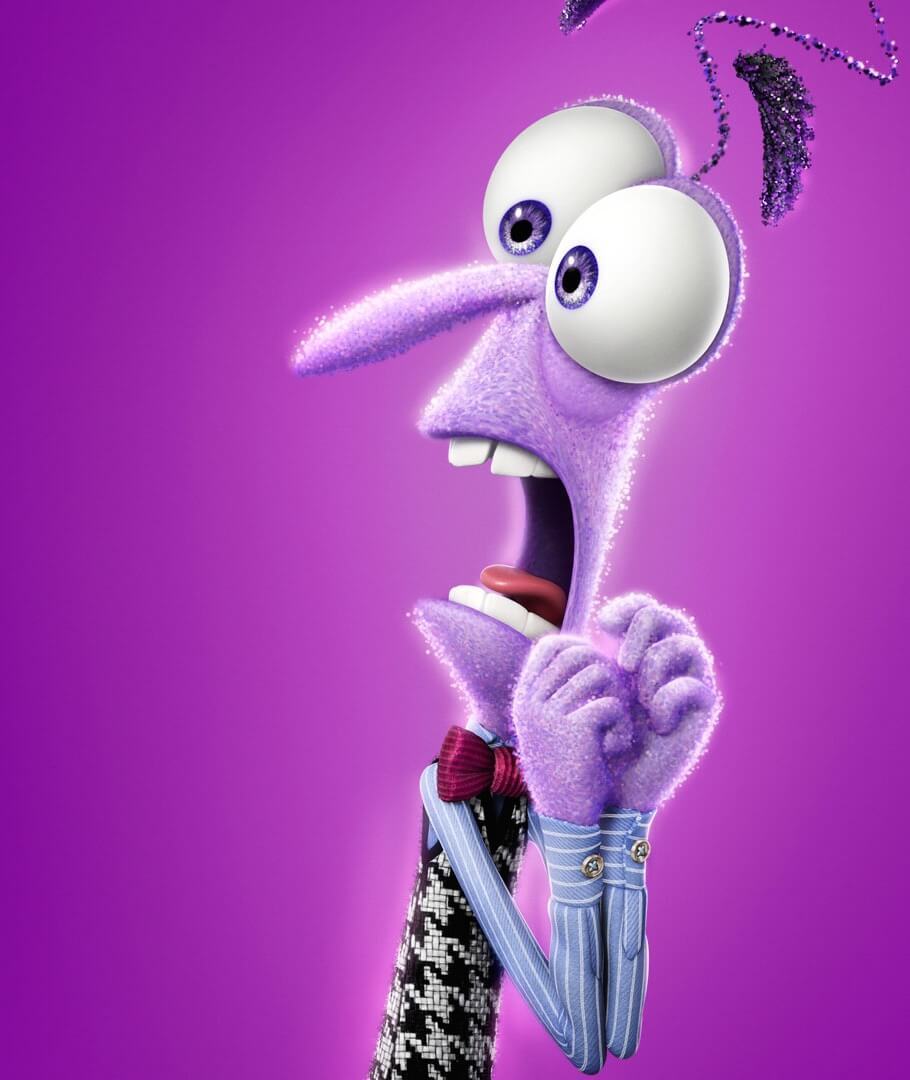 I’ll give you a few great characters from big and small screen, and we’ll decide what they have in common.
Woody.
(Toy Story)
Ripley
(Alien)
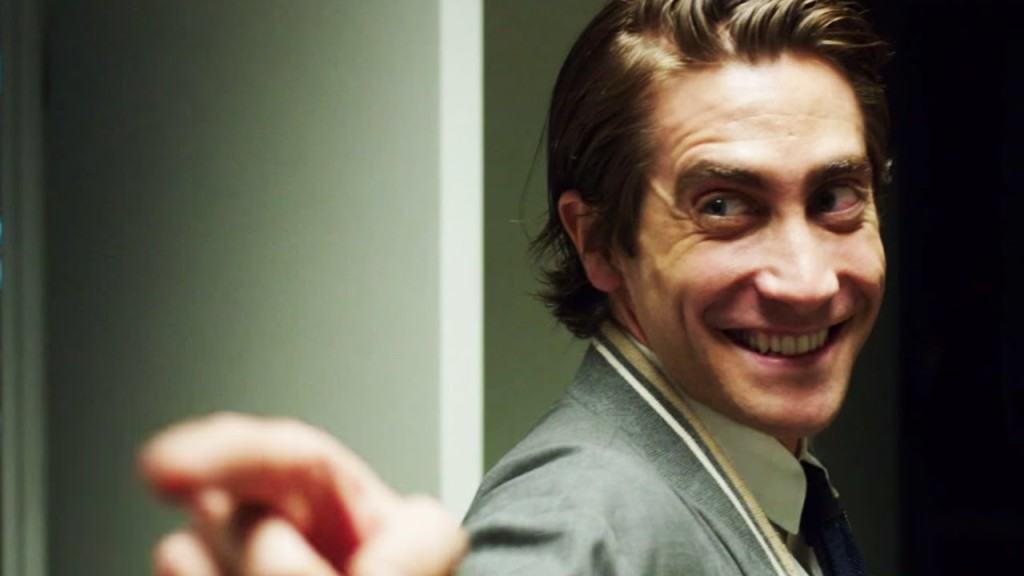
Louis Bloom.
(Nightcrawler)
The Bride
(Kill Bill)
Frank Galvin.
(The Verdict)
Riley
(Inside Out)
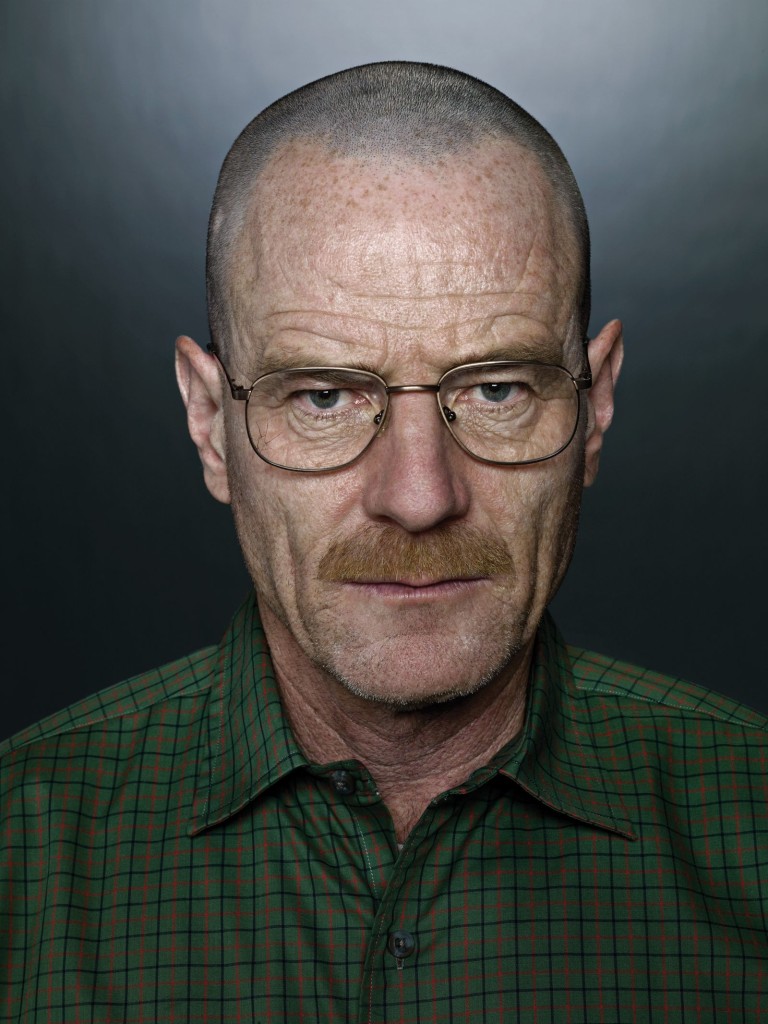
Walter White
(Breaking Bad)
Ree
(Winter’s Bone)
Some of you may have figured out that these characters all have clear, strong goals.
Boom!
But it’s not enough.
A Character Goal Is Not Enough
You, reader, have a clear, strong goal too, right? You probably want to write and sell that damn screenplay.
Only you’re not. And there’s the difference.
You would be, if only you were OBSESSIVE about it.
(Okay, you may still be a great character..)
And this is what every truly great movie character is: obsessive.
Let’s not argue about taste. I’m talking about movies that people LOVE, movies people pay money to see multiple times, and movies that win BIG awards. I’m talking about characters like Jack in Titanic, the squirrel in Ice Age who wants his acorn, Vicus in District 9, Aron Ralston in 127 Hours, Chris Kyle in American Sniper, and Philomena. And Rocky Balboa. And Scarface.
And I’m talking about one of my favourite characters: Jimmy ‘Popeye’ Doyle in The French Connection.
[vimeo 132802280 h=900 w=490]
After spotting Sal Boca in the Copacabana, Jimmy (Hackman) and Buddy (Scheider) start shadowing him. When the sun rises, Jimmy still hasn’t given up. Later, he’ll be staking out the Frenchman in the freezing cold, refusing to go home like the others.
Like his cinematic peers, Jimmy is totally and utterly obsessive about his goal. In my books, Jimmy is a truly great character.
The French Connection is in essence about the dark side to that obsession. THIS makes for a deep, complex cinematic character.
Great movie characters go for it. They may not 100% know exactly what lies at the end of their path, but they move forward with unrelenting energy, will power and life force.
The Fourth Question
You may have read David Mamet’s memo to the writers of The Unit, in which he poses three questions that define drama:
-
Who wants what from whom?
-
What if they don’t get it?
-
Why now?
They set up the character goal, the stakes and the motivation. On the conceptual level, the latter is the same as the Inciting Incident.
 Mamet has summarised the essence of drama really well. And it you have a clear answer for each, you’re well on your way to building an engaging screen story. But for a truly great, timeless story, three questions is not enough.
So I’ve added the fourth:
4. What are they prepared to do?
Take Walter White. It is initially very clear what he wants: $700,000. We know why, and we know what happens if he doesn’t get it. But we don’t have Breaking Bad yet.
The critical question is “What is Walter White prepared to do?” The answer to this question makes Breaking Bad an instant-classic TV series. (Also, the answer to this question changes over the course of the five seasons.)
If you manage to create a character that is completely determined to achieve what they want, unrelenting and unstoppable; if your character will not give in at any cost, to the point where they sacrifice what may have been dearest to them once in their lives… you are on your way to create a great character…
And there may be a career in it for you.
– Karel Segers